
How our brains are wired to fear exclusion and seek approval—even from strangers.

You’ve felt it before. That flutter of anxiety when your text goes unanswered for hours. The quiet sting when you’re not invited to something everyone else seems to be attending. The way your heart rate picks up when you post something vulnerable online and wait for the responses to trickle in—or worse, when they don’t come at all.
We tell ourselves these reactions are silly, that we’re being “too sensitive” or “overthinking.” But what if I told you that your brain literally cannot tell the difference between social rejection and physical injury? What if the desperate need for belonging that you sometimes feel ashamed of is actually one of the most fundamental aspects of being human?
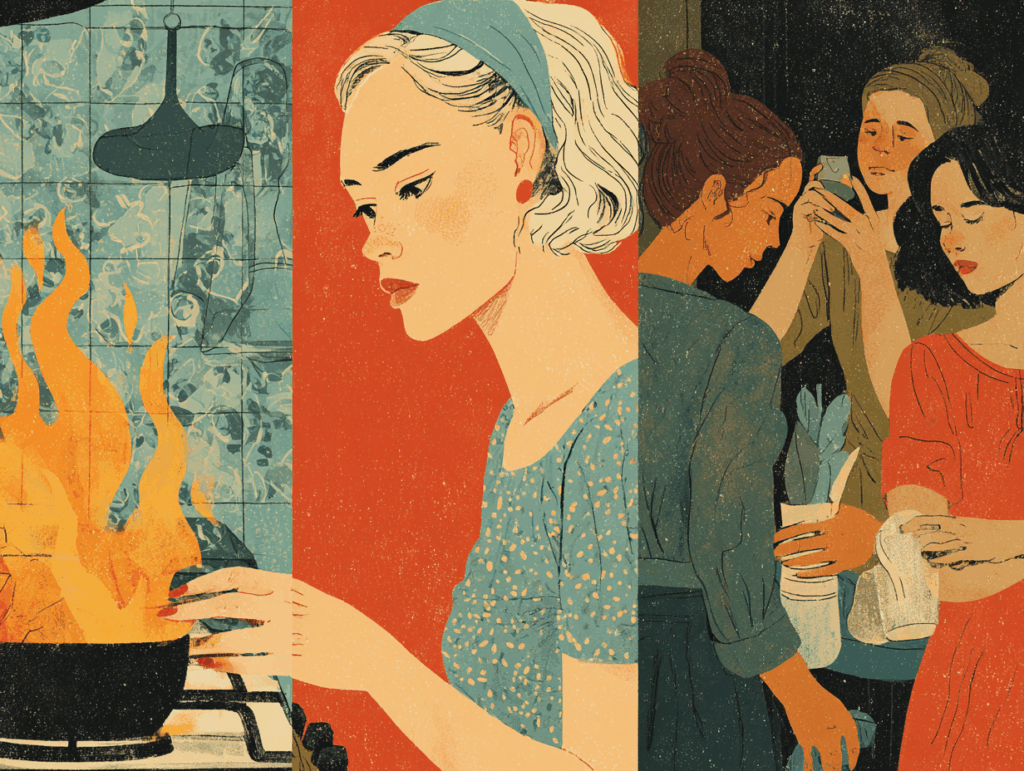
Your need for validation isn’t a character flaw. It’s a survival mechanism that’s been fine-tuned over millions of years of evolution. And understanding this changes everything about how we navigate our relationships, our self-worth, and our increasingly complex digital world.
The Ancient Alarm System in Your Head
Picture this: You’re scrolling through Instagram and see photos from a gathering you weren’t invited to. Your stomach drops. Your chest tightens. For a moment, it feels like you can’t breathe properly. This isn’t drama—this is your brain’s alarm system doing exactly what it was designed to do.

When neuroscientists study social rejection using fMRI scanners, they’ve discovered something remarkable: the same brain regions that light up when you touch a hot stove also activate when you experience social pain. In some cases, social rejection actually triggers the brain’s pain matrix more intensely than physical injury.
Think about the language we use: “hurt feelings,” “broken hearts,” “crushing rejection.” These aren’t just metaphors. Your brain is processing social exclusion as a genuine threat to your survival, because for most of human history, it was.
Our ancestors lived in small bands of 20 to 150 people. Being ostracized didn’t just mean hurt feelings—it meant losing access to food, shelter, protection, and the knowledge needed to survive. Those who were cast out faced starvation, predation, and almost certain death. The humans who survived were the ones whose brains developed exquisitely sensitive alarm systems for detecting even the slightest signs of social threat.
Your Brain’s Default Mode Is Social
Here’s something that might surprise you: when you’re not actively focused on a task, your brain doesn’t just idle. It immediately switches to what neuroscientists call the “default mode network”—and this network is almost entirely social.
The moment you stop concentrating on work, driving, or reading, your mind automatically begins thinking about people. Who likes you, who might be upset with you, what others are thinking, how you’re perceived, what you should say in that upcoming conversation. This isn’t you being self-absorbed or anxious—this is your brain doing what it evolved to do.

Your neural architecture is fundamentally wired for social connection. You have specialized brain networks dedicated to understanding others’ thoughts and feelings, predicting their behavior, and maintaining your place within the social fabric. These systems are so important that they operate almost constantly, like background software running on your mental computer.
This is why social media can feel so compelling and simultaneously exhausting. These platforms are essentially hijacking neural pathways that evolved to help you navigate real-world social hierarchies and relationships. Every notification, every like, every comment triggers the same ancient circuitry that once helped your ancestors figure out whether they were safe within their tribe.
The Paradox of Modern Belonging
We live in a strange time. We’re more connected than ever before—we can reach anyone, anywhere, instantly. Yet rates of loneliness, anxiety, and depression continue to climb, particularly among young people. How is this possible?
The answer lies in understanding the difference between connection and validation. Your brain craves genuine belonging—the deep, secure knowledge that you are valued for who you are, that you have a place in the world, that others will support you when you’re vulnerable. But modern life often offers us pseudo-connection instead: likes, follows, shares, and superficial interactions that provide tiny hits of validation without the deeper nourishment of authentic relationship.
It’s like being chronically hungry but only having access to candy. The sugar gives you a brief energy spike, but it never truly satisfies your deeper nutritional needs. Worse, it can create cycles of craving that leave you feeling emptier than before.
Social media platforms understand this perfectly. Every like on your post triggers the brain’s reward system with a hit of dopamine—this is by design, not accident. These platforms have created environments where your sense of belonging is constantly under evaluation, where your worth is measured in metrics, where the approval you crave is always just one more post away. The result? Many of us find ourselves trapped in cycles of validation-seeking that feel both compulsive and unsatisfying.
When Rejection Sensitivity Takes Over
For some people, the brain’s built-in alarm system for social threat becomes hyperactive. This is called rejection sensitivity, and it’s like having a smoke detector that goes off every time you cook dinner. Even minor social slights—an unanswered text, a friend seeming distracted, not getting the reaction you hoped for—trigger intense waves of anxiety, hurt, and self-doubt.
People with rejection sensitivity often develop elaborate strategies to avoid the pain of disapproval. They become people-pleasers, constantly saying yes when they mean no, apologizing for things that aren’t their fault, molding themselves into whatever they think others want them to be. This is particularly common among individuals with ADHD, who may have grown up receiving more criticism and correction than their neurotypical peers.
The cruel irony is that people-pleasing, while intended to secure belonging, often has the opposite effect. When you constantly prioritize others’ needs over your own, you lose touch with your authentic self. Others may like the version of you that you perform, but you know deep down that they don’t really know you. This creates a hollow kind of connection—you’re surrounded by people but still feel fundamentally alone.
Over-apologizing is one of the most common manifestations of rejection sensitivity. Listen to yourself for a day and notice how often you say “sorry”—for asking questions, for taking up space, for existing with needs and preferences. Each unnecessary apology reinforces the belief that your natural self is somehow wrong or burdensome.
The Body Keeps the Score
Social threat doesn’t just affect your emotions—it rewrites your physiology. When your brain perceives rejection or exclusion, it triggers the same stress response that would activate if you were being chased by a predator. Your heart rate increases, stress hormones flood your system, and your body prepares for fight or flight.
But here’s the problem: you can’t fight or flee from social rejection. You’re stuck with all that activated energy and nowhere for it to go. Over time, chronic social threat can lead to inflammation, compromised immune function, sleep disruption, and a host of other health issues.
Even your posture changes when you feel socially threatened. Notice how you physically contract when you’re feeling judged or excluded—shoulders hunching, head ducking, body folding in on itself. This isn’t just emotional; it’s your mammalian brain trying to make you smaller, less noticeable, less likely to be targeted for further rejection.

Some people describe social rejection as feeling like they’re “dying inside.” In a very real sense, that’s exactly what’s happening. Your brain is processing social threat as a life-or-death situation because, for most of human evolution, it was.
The Hidden Cost of Disconnection
When we don’t get the belonging we need, we don’t just feel sad—we become fundamentally different people. Research shows that people who feel excluded become more vigilant for social threats, more likely to interpret ambiguous social cues as rejection, and more prone to defensive or aggressive behavior.
It’s as if social isolation creates a feedback loop: the more excluded you feel, the more your brain scans for danger, the more likely you are to perceive threats that may not exist, the more you might push others away with your defensive behavior, the more excluded you become.

This is why loneliness isn’t just about being alone—it’s about feeling unsafe in the world. Research shows that chronic loneliness increases the risk of early death as much as smoking 15 cigarettes a day. When you don’t have secure belonging, your nervous system remains in a state of chronic activation, always scanning for threats, always ready to defend against the next rejection.
But here’s something important to remember: this sensitivity—while painful—can also be a signal. A clue pointing toward your deep capacity for connection and your brain’s sophisticated ability to detect what you truly need.
The Validation Trap
Understanding our deep need for belonging helps explain why validation can become so addictive. Every like, comment, or positive response provides a small hit of social safety—proof that you’re accepted, that you belong, that you’re not going to be cast out of the tribe.
But external validation is like a drug with a very short half-life. The good feelings fade quickly, leaving you needing another hit. And like any addiction, you need more and more stimulation to achieve the same effect. One like becomes ten, then a hundred, then it’s not about the numbers anymore but about getting validation from the “right” people.
The most insidious part of the validation trap is that it trains you to look outside yourself for proof of your worth. You lose touch with your internal compass—your own values, preferences, and sense of what feels authentic. Instead, you become dependent on others’ reactions to tell you who you are and whether you’re okay.
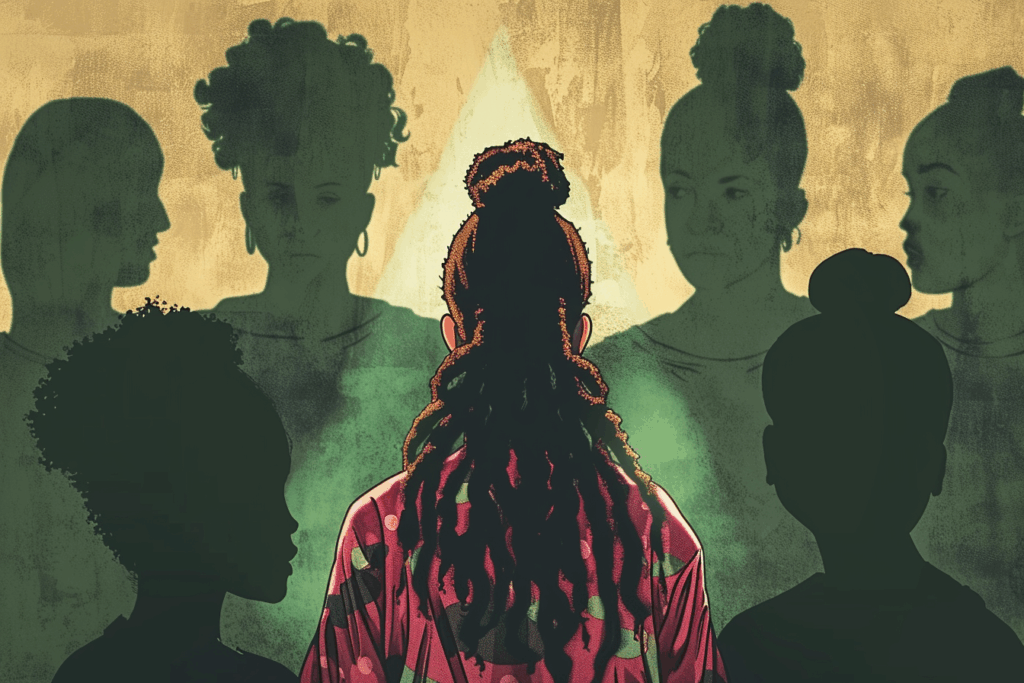
This is particularly damaging during adolescence, when identity is still forming. Young people who grow up seeking external validation may never develop a stable, internal sense of self. They become chameleons, constantly shifting to match what they think others want, never quite sure who they really are underneath all the performance.
Pause and ask yourself: Where do you go looking for proof of your worth when you’re feeling unsure of yourself?
Breaking Free: Authentic Belonging vs. Earned Approval
The path forward isn’t to stop caring what others think—that’s neither possible nor healthy for a fundamentally social species. Instead, it’s about learning to distinguish between authentic belonging and earned approval.
Earned approval is conditional. It requires you to be a certain way, achieve certain things, or meet certain standards to be accepted. It’s fragile because it can be withdrawn at any time if you fail to maintain the performance.
Authentic belonging, on the other hand, is unconditional. It’s the secure knowledge that you are valued for who you are, not what you do. It doesn’t require perfect behavior or constant achievement. It can withstand conflict, mistakes, and the full range of human complexity.
The irony is that authentic belonging often requires you to risk rejection. It means showing up as yourself, even when you’re not sure how others will respond. It means expressing your real opinions, setting boundaries, saying no when you need to, and trusting that the people who truly belong in your life will love you not despite your humanity, but because of it.
What does authentic belonging look like for you right now—and what version of yourself is seeking it?
Rewiring the Ancient Brain for Modern Life
So how do we honor our evolutionary need for belonging while protecting ourselves from the manipulation and toxicity that can pervade modern social environments?
Start by understanding your triggers. Notice when your rejection sensitivity gets activated. Is it when messages go unanswered? When you’re not included in plans? When someone disagrees with you? Your brain is like a radar dish, constantly scanning for belonging signals—awareness helps you distinguish between real threats and false alarms.
Practice self-talk that acknowledges your brain’s protective function. Instead of berating yourself for caring about others’ opinions, try: “My brain is trying to keep me safe by scanning for social threats. That’s normal and adaptive, but I don’t need to act on every alarm it sounds.”
Limit your exposure to environments designed to exploit your social vulnerabilities. This might mean taking breaks from social media, unfollowing accounts that trigger comparison, or setting boundaries around when and how you engage with digital platforms.
Invest in relationships where you can be authentic. Seek out people who accept your full humanity—your strengths and struggles, your good days and bad days, your certainties and confusions. Quality matters infinitely more than quantity when it comes to belonging.
Learn to apologize only when you’ve actually done something wrong. Before saying “sorry,” pause and ask yourself: “Did I deliberately harm someone, or am I apologizing for existing?” Replace unnecessary apologies with phrases like “thank you for your patience” or simply removing the apology altogether.
Remember that rejection from the wrong people is protection. If someone withdraws their approval when you set a boundary or express an authentic opinion, they’re showing you that their acceptance was conditional. This is valuable information, not a reason to change yourself.
The Gift of Genuine Connection
When you understand that your need for belonging is not a weakness but a fundamental aspect of your humanity, everything changes. You can honor this need without becoming enslaved to it. You can seek connection without sacrificing authenticity. You can care about others’ opinions without letting them determine your worth.
The goal isn’t to become immune to social pain—that would mean becoming immune to love, empathy, and genuine connection. The goal is to develop the security and self-awareness to navigate social relationships from a place of wholeness rather than desperation.
Your brain will always scan for signs of acceptance and rejection. That’s not a bug in your programming—it’s a feature that has kept humans alive and thriving for millennia. But you get to choose how you respond to what your brain detects. You get to decide which voices matter and which ones don’t. You get to create the conditions for authentic belonging in your own life.
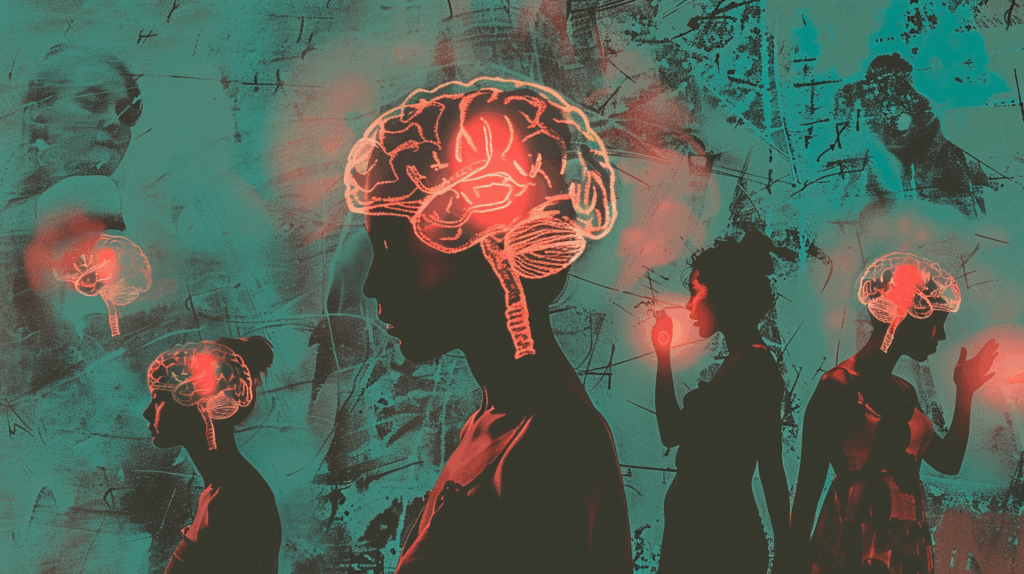
The validation you seek isn’t wrong to want. But the deepest, most nourishing validation comes not from others’ approval, but from your own recognition of your inherent worth. When you can hold that truth steady within yourself, you’re free to connect with others from a place of offering rather than need—and that’s where the most beautiful relationships are born.
You were indeed born to belong. But belonging isn’t something you have to earn, perform for, or constantly prove. It’s something you already are, something you already deserve, something you can choose to embody and offer to others. The question isn’t whether you’re worthy of belonging—it’s whether you’re ready to stop hiding and start showing up as who you really are.
Take a moment to reflect: Think about a time when you felt truly accepted for who you are—not what you achieved or how you performed, but simply for being yourself. What did that feel like in your body? Who were you with? What made that connection feel safe? Now consider: what would it look like to create more of that authentic belonging in your life today?
Want to dive deeper? Here are some resources to explore:
📚 Books:
- Social: Why Our Brains Are Wired to Connect by Matthew Lieberman
- The Need to Belong by Roy Baumeister & Mark Leary
- Braving the Wilderness by Brené Brown
📄 Research Papers:
- “Social Rejection Shares Somatosensory Representations with Physical Pain” (Kross et al., 2011)
- “The Social Brain: Neural Basis of Social Knowledge” (Adolphs, 2009)
- “Social Safety Theory” by George Slavich
🎧 Podcasts:
- Huberman Lab episodes on social connection and belonging
- Hidden Brain’s episodes on social psychology
💻 Apps & Tools:
- Mindfulness apps for rejection sensitivity (Headspace, Calm)
- Digital wellbeing tools to manage social media usage
Next in The Human Code Series: The Mirror Brain — Why we copy others and don’t even know we’re doing it. We’ll explore the fascinating world of social mimicry, mirror neurons, and how our unconscious imitation of others shapes our identity more than we realize.